On this page
We are looking for disabled First Nations people living in so-called Australia to contribute to a A mini magazine that may include text and images.zine (mini magazine). This Blackfulla-led zine will explore the topics of COVID-19, vaccination, and disabled young people.

About the opportunity
The zine will give disabled First Nations people a platform to share, connect, and find community and solidarity through storytelling. Storytelling is a cultural practice that has been a central part of First Nations identities since time Existing for a very long time.immemorial.
“Disabled First Nations perspectives deserve and need visibility. We are still finding ways to express how we fit into the pandemic world. Multiply marginalised people continue to be sidelined in discussions around and responses to COVID. We rarely see our experiences represented.”
–Darcy H, zine creator
"The zine exists to create a space that we have been denied. A space for disabled First Nations experiences to be showcased in all their complex glory. It will serve as a resource to support young, disabled First Nations people in locating themselves within the pandemic. It will also be a conversation starter, to remind other people that we still exist, we are still here, and our experiences of COVID matter.” – Darcy H, zine creator.
You can share your story however you would like, as long as it can be displayed on a piece of paper. This might include:
- Drawing
- Painting
- Collage
- Photography
- Digital art
- Poetry
- Prose
- Fiction
- A combination of mediums!
You will have a maximum of two A5 sheets of paper for your piece to be displayed on.
The full title of the zine is yet to be decided. This is because we want the title to reflect the diverse themes and experiences included in the zine. The full title will be decided after all submissions have been received.

Payment
Storytellers will receive $200 as payment for their contributions.
Eligibility
To take part in this zine, you will:
- Be a First Nations person living anywhere in so-called Australia. This zine is being created and curated by a Blackfulla, but hopes to include perspectives of both mob and other First Nations folks.
- Identify as disabled, chronically ill, neurodivergent, Deaf, and/or as having a long-term physical or mental health condition.
- Be aged 12 to 25 years old.

Prompt
Your piece will explore the topic of young disabled First Nations folks, COVID-19 and vaccination.
We have made this prompt vague, so that storytellers can take it in whatever direction you wish. You can be as broad or specific as you would like in your response.
Key dates
- Expressions of Interest close at 9am Monday 25 July 2022 (deadline extended) and will be reviewed as we receive them. We can only accept a small number of contributors, so we recommend expressing your interest early.
- Final pieces for the zine must be submitted by 9am on Friday 5 August 2022.
- The zine will be published online and go to print in early August.

How to apply
To express your interest in contributing to the zine, send an email to Jun Bin Lee (he/him) at jlee@ydas.org.au with the following information:
- Your name and age
- Why you want to be part of the zine, and
- A rough idea of how you want to respond to the prompt (anything from key messaging to medium/s you want to use and everything in between).
If you have any questions, want more information, or need support to contribute to the zine, contact Jun Bin Lee (he/him) at jlee@ydas.org.au or on 0457 453 784.
This content was written by Darcy H, who is the creator of this project. Find out more about them below.
Meet the zine creator
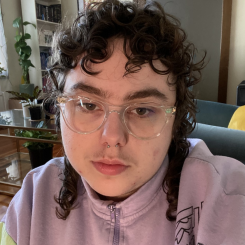
Darcy H (they/them)
Darcy is a Blak, trans, mad, neurodivergent crip living on Wurundjeri Woi-wurrung Country. They are passionate about seeking community liberation beyond the confines of the colonial imagination.
Darcy works across mob, disability, queer, and trans spaces. They currently work primarily in advancing mob self-determination in the water sector. Outside of this, Darcy co-leads their workplace’s disability network, and sits on the LGBTQIA+ network steering committee. They also tutor undergrad mob in Criminology, Indigenous Cultures and Histories, and Sociology.
Darcy’s key focus across their roles is empowering community through the defiance and destruction of colonial boundaries.