Professor Adam Bourne is the director of the Australian Research Centre in Sex, Health and Society (ARCSHS) at La Trobe University.
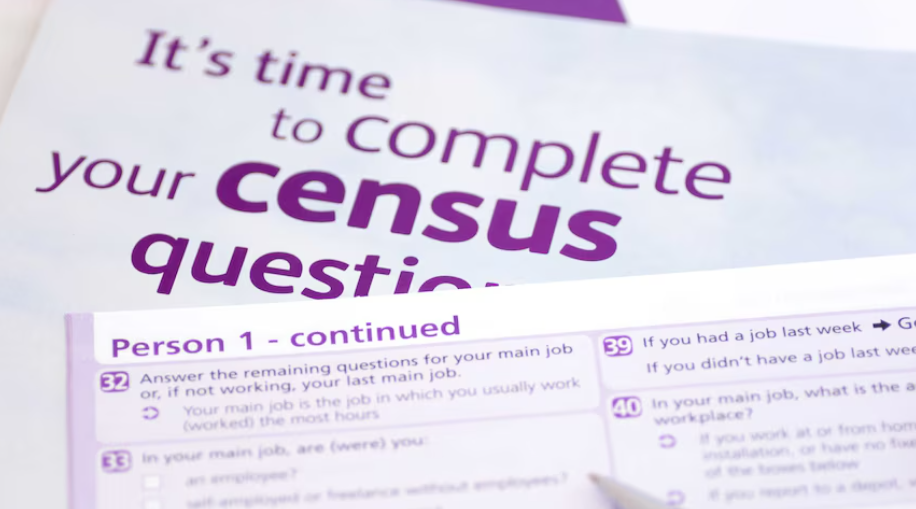
In 2026, something important is changing in Australia’s Census. For the first time, people aged 16 and over will be able to answer questions about their sexual orientation and gender. This might seem like a small update – but it’s actually the result of many decades of work by community organisations, researchers and advocates pushing for better representation.
So why does this matter?
The Census helps shape decisions about funding, services and policies across the country. When LGBTQA+ people aren’t counted, it’s harder to show what our communities need, whether that’s inclusive healthcare, safe schools, housing support, or mental health services. Put simply: if you’re not counted, LGBTQA+ young people can be overlooked.
This change didn’t happen overnight. Organisations like the Australian Research Centre in Sex, Health and Society have worked closely with LGBTQA+ community organisations and the Australian Bureau of Statistics (the people who run the Census) to show why inclusive data matters. For many years, we have been saying that the Census should reflect the real diversity of people living in Australia. The inclusion of questions on sexual orientation and gender is a big step forward.
Just as important as the change itself is what happens next. The success of these new questions depends on people choosing to answer them. That includes young people. If you’re 16 or older in 2026, you’ll have the option to share this part of who you are. Taking part is completely your choice, but every response helps build a clearer picture of our communities. That information can lead to better programs, stronger advocacy and more inclusive policies in the future.
We know that not everyone feels safe or comfortable sharing this information, and that’s okay.
– Professor Adam Bourne (he/him)
The Census is designed to be confidential, and there are ways to complete it privately if needed. For example, you can request your own individual Census form rather than completing it with others in your household.
The new and updated questions about sexuality and gender in this year’s Census have been very carefully designed with a great deal of LGBTQA+ community consultation. It’s always a big challenge to reflect the breadth of ways in which people identify, but we hope the final set of questions are accessible and inclusive and that people can see themselves within them.
While this census is an exciting opportunity to make gender and sexuality diverse young people visible, it doesn’t yet embrace all parts of our rainbow community. Following considerable consultation, the ABS made the difficult decision not to ask questions about whether people have innate variations of sex characteristics (sometimes referred to as ‘intersex’) in the census. Their feeling was that, at this point in time, there is insufficient understanding about this experience among the general public, and when the ABS tested the questions, there was lots of uncertainty about how to answer them. This is a big shame and tells us how much more we have to do to raise awareness of intersex people. I, and many other advocates, remain committed to ensuring their inclusion in future data.
For young people, this Census is a chance to be visible in a system that hasn’t always recognised LGBTQA+ lives. It’s also a way to support your community, helping ensure that services and supports reflect real experiences. Counting yourself in might feel like a small action, but it can make a big difference.
Want to learn more about filling out the Census? Read our explainer.