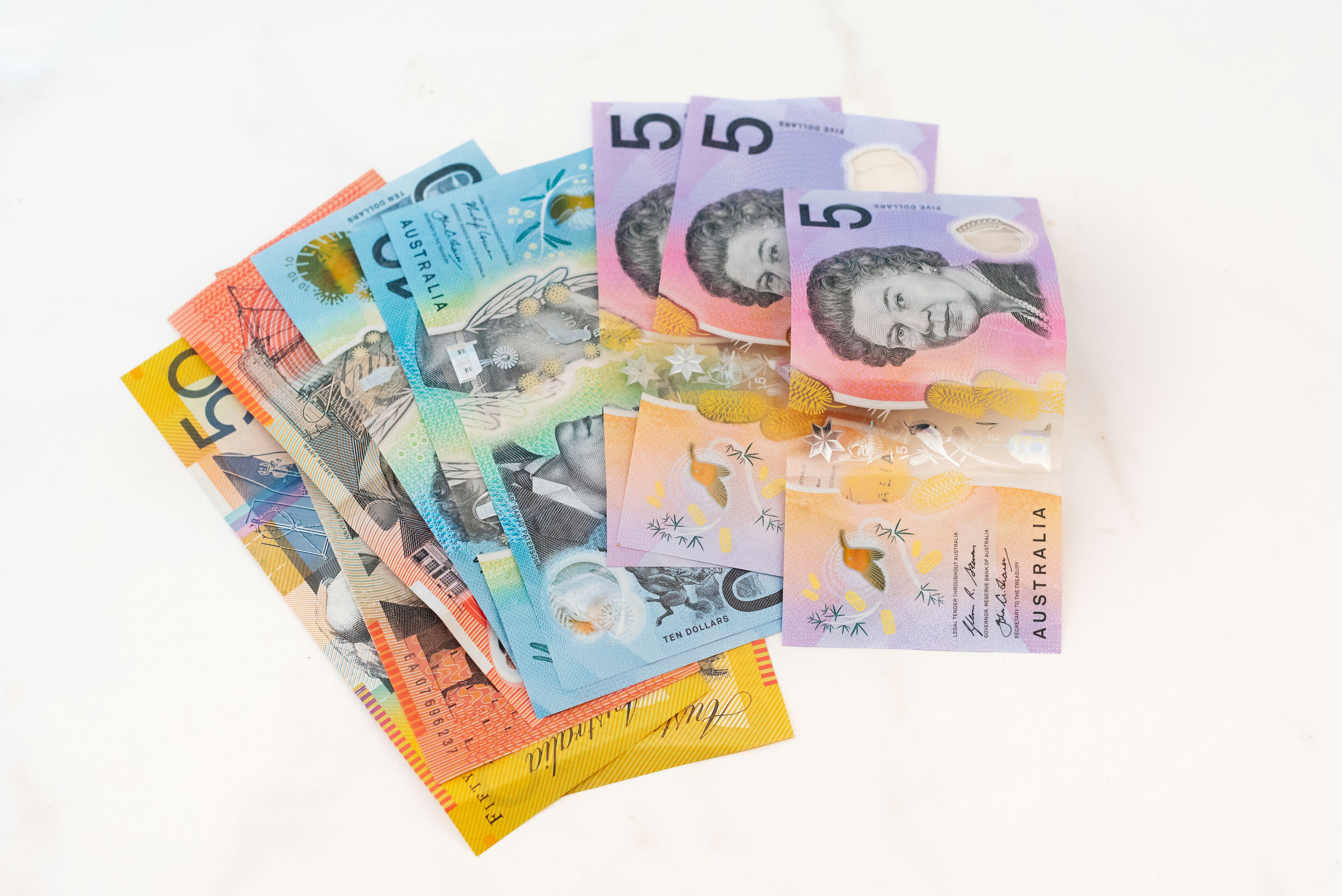
On Tuesday 12 May 2026, the Federal government handed down the 2026-27 federal budget. The YACVic team has put together a brief overview of key funding measures, and what the youth sector and community sector are saying.
In a huge win for young people and the Home Time campaign, the federal government has announced a $60 million investment to create a National Youth Housing Supplement. This will unlock homes for over 4000 young people, fixing a structural flaw in the housing system that discouraged housing providers from offering tenancies to young people.
The housing sector has also welcomed significant changes to tax settings to wind back investor A benefit offered by the government that reduces tax liability.tax breaks (including the When you sell an asset (e.g. house, shares), the Capital Gains Tax discount reduces the tax paid by 50% on the profit earned by selling that asset.capital gains discount and Where the income made from an investment (like receiving rent) is less than the expenses incurred in owning and managing the investment (like mortgage costs). The resulting loss can be deducted from other sources of income (like wages), which reduces someone's overall taxable income (therefore minimising the tax someone pays).negative gearing), which marks a start in improving housing fairness and affordability.
We also welcome:
-
$285.6 million for improvements to the employment services system and to support future reform to support employment.
-
$42.8 million to establish permanent statutory arrangements for the National Commission for Aboriginal and Torres Strait Islander Children and Young People.
Cost-of-living measures largely focuses on tax cuts, including the new Working Australians Tax Offset which reduces workers tax bill by $250. We are disappointed to see the government hasn’t taken the advice of the Economic Inclusion Committee to significantly increase income support payments, particularly Youth Allowance and Job Seeker. This leaves many young people already facing significant financial hardship and housing stress without adequate support – despite being the ones most in need of cost-of-living relief.
We stand in solidarity with the disability sector and their concerns regarding the government’s decision to cut $37 billion in the National Disability Insurance Scheme (NDIS). This decision will have a disproportionate impact on young people, with children and young people making up more than half of NDIS participants. We strongly encourage the Australian government to ensure disabled young people are meaningfully included in upcoming legislative changes to the NDIS
NOTE: It’s important to note key differences in state budget and federal budget expenditure. The Victorian budget focuses on things like housing, schools, youth justice, public transport, and hospitals, while the federal budget focuses on social security (Centrelink), tax,immigration and climate change.
Significant budget announcements for young people and the youth sector
YACVic focus areas
Youth and community sector
-
$156.3 million over three years from 2027–28 (and $40.8 million per year ongoing) to provide additional funding for frontline services to support children’s development and wellbeing, and empower parents, caregivers, and families.
-
$9.7 million over five years from 2025–26 (and $0.3 million per year ongoing) to support implementation of the Children and Family Support Program.
-
$5.7 million over four years from 2026–27 (and $1.7 million per year ongoing) to continue capacity building initiatives within the families and communities’ sector to support improved outcomes for children and families.
Read more:
Housing and homelessness
-
$2 billion over four years from 2026–27 for a new Local Infrastructure Fund under the Housing Support Program, to pay the states to ease Regulations that govern land use, development, and zoning. These laws make sure construction projects align with community standards and environmental considerations.planning laws and boost construction productivity. This promises to unlock up to 65,000 new housing developments over the next decade across Australia.
-
$59.4 million over four years from 2026–27 to provide states and territories with funding for A type of social housing provided by not-for-profit organisations or local government. Rents are generally set at 25-30% of income for tenants.community housing providers to supplement rental income for social housing for over 4,000 eligible young people, aged 16‑24, who receive the The payment received by a young person 24 or younger and a student or apprentice (or 21 or younger and looking for work), who is also living away from their family home.Away from Home rate of Youth Allowance or Financial help for Australian Aboriginal and/or Torres Strait Islander students or apprentices.ABSTUDY and who are at risk of, or experiencing, homelessness.
-
$2.1 million in 2026–27 to extend funding to support the Australian Housing and Urban Research Institute.
-
$6.3 million over three years from 2026–27 for a national First Nations housing peak body to represent the Aboriginal and Torres Strait Islander housing sector and support better housing outcomes for First Nations people and communities.
-
Significant changes to housing tax settings to wind back A benefit offered by the government that reduces tax liability.investor tax breaks, including:
a) When you sell an asset (e.g. house, shares), the Capital Gains Tax discount reduces the tax paid by 50% on the profit earned by selling that asset.The capital gains tax (CGT) discount: From 1 July 2027, the current 50% CGT discount will be replaced with A method of calculating capital gains that adjusts the purchase price of an asset for inflation (ensuring only real gains are taxed).cost base indexation . This means gains will be adjusted for inflation rather than automatically receiving a 50% discount. On top of this, a 30% minimum tax rate will apply to capital gains.
b) This occurs in situations where the income made from an investment (like receiving rent) is less than the expenses incurred in owning and managing the investment (like mortgage costs). The resulting loss can be deducted from other sources of income (like wages), which reduces someone's overall taxable income (therefore minimising the tax someone pays.Negative gearing : From 12 May 2026, negative gearing for residential property investments will only be eligible for purchases of newly built homes. Investors buying established properties will not be able to use rental losses to reduce income tax paid.
Read more from the housing sector:
Cost of living
-
A new $250 Working Australians Tax Offset introduced from the 2027–28 income year on an ongoing basis. This will permanently increase the tax-free threshold for income from work by nearly $1800.
-
A $1,000 Instant Tax Deduction for workers from 2026-27. This allows employees to reduce their taxable income by up to $1000 without keeping their receipts when they lodge their A formal report submitted to the Australian Taxation Office (ATO), detailing a persons income and expenses over a financial year. This is used to determine if you owe money to the government or can claim a refund.tax return .
-
Increasing the It helps fund some of the costs of Australia’s public health system known as Medicare. The Medicare Levy is the amount paid in addition to tax paid on taxable income.Medicare levy by 2.9% for low-income thresholds. This means those people would be exempt from paying the levy or pay a reduced rate.
-
Halving the A federal tax imposed on petrol and diesel.fuel excise tax for three months from 1 April to 10 June (reducing the cost of fuel by 26.3 cents per litre).
Read more:
Mental Health
Content warning: discussion of suicide and mental-ill health.
-
$277.5 million in 2026–27 to extend the This agreement sets out shared intentions of the Commonwealth, state, and territory governments to work together to improve the mental health of Australians.National Mental Health and Suicide Prevention Agreement to 30 June 2027. This funding includes $206.8 million for existing activities and $70.4 million to continue programs previously scheduled to end under A formal agreement between the Commonwealth and state or territory governments.bilateral agreements (set to expire 30 June 2026), including:
a) $24.7 million to extend adult mental health services in Victoria
b) $14.1 million to extend national The support and intervention provided after suicide to help those affected cope, reduce trauma and prevent further suicides.postvention supports for people bereaved by suicide
c) $7.7 million for temporary Head to Health Clinics to provide Victorians mental health support
d) $4.9 million to continue work towards universal The period shortly before, during or after childbirth.perinatal mental health screening in public The care and medical support given to a person before childbirth.antenatal and The period following childbirth, usually around six weeks.postnatal care
e) $4.4 million to extend supports for people with eating disorders and their families
f) $2.6 million to extend aftercare trials for people who do not present to hospital
g) $2.0 million to continue development of a national Distress Intervention program trial
h) Other non-Victorian measures
-
$3.1 million over four years from 2025–26 to continue mental health support for students in Years 7 to 9 in public secondary schools across Australia.
-
$0.6 million in 2026-27 to support a national platform for eating disorder prevention and treatment standards
-
$18.9 million over four years from 2026-27 (and $5.1 million per year ongoing) for 13YARN to respond to growing demand, expand community and digital engagement, and introduce a text-based crisis support service.
-
Funding for the National Aboriginal Community Controlled Health Organisation to commission two community-designed and community-led youth mental health services in remote locations, replacing two remote headspace centres funded under the Government’s 2025 election commitment, More Free Mental Health Services. The 2026-27 budget papers did not outline a dollar amount for this initiative and stated that partial funding for this has already been provided and the remaining funding will be met from reprioritisations identified within the Indigenous Australians portfolio, and within the existing resources of the Department of Health, Disability and Ageing.
Read more from the mental health sector:
Justice and law enforcement
-
$37.3 million over two years from 2026–27 to the Office of the Director of Public Prosecutions to strengthen its capacity to undertake criminal prosecutions on behalf of the Commonwealth.
-
$10.8 million over four years from 2026–27 (and $2.7 million per year ongoing) in additional resourcing for the Australian Law Reform Commission.
-
$28.0 million over four years from 2026–27 (and $7.2 million per year ongoing) for the Australian Federal Police, Office of the Commonwealth Ombudsman, the Department of Home Affairs, the Australian Criminal Intelligence Commission and Attorney General’s Department to continue to support access to data for law enforcement and national security purposes under the AUS‑US Data Access Agreement.
Education
- $26.1 million over four years from 2026–27 (and $5.0 million per year ongoing) to support measures which will contribute to improving educational outcomes in Australian schools, including:
a) to support the Online National Assessment Platform
b) to extend the Australian Academy of Science school programs
c) to support Life Ed Australia to improve existing and develop new preventative health and safety education modules.
d) to extend the Commonwealth Scientific and Industrial Research Organisation’s (CSIRO) STEM Professionals in Schools program
e) to extend the Australian Mathematics Trust’s Curious Minds program
-
$9.4 million over four years from 2026–27 (and $1.9 million per year ongoing) to allow the Tertiary Education Quality and Standards Agency (TEQSA) to have stronger enforcement and monitoring powers to step in and act when it is justified in the public interest.
-
$55.5 million for the Clontarf Foundation to support school engagement for at-risk young men
-
$30.0 million for the Australian Indigenous Education Foundation to provide secondary school scholarships.
Read more from the education sector:
Employment
-
$285.6 million over five years from 2025–26 (and $35.9 million per year ongoing) for improvements to the employment services system and to support future reform
-
$26.5 million over three years from 2026–27 to increase resourcing for the National Customer Service Line to support job seekers and employers
-
$3.2 million over four years from 2026–27 (and $0.8 million per year ongoing) to extend the Carer Inclusive Workplace Initiative to assist employers to develop and adopt practices which support employees with caring responsibilities to enter and remain in the workforce.
Other relevant measures
-
$42.8 million over five years from 2025–26 (and $9.3 million per year ongoing) to establish a Something that will be permanently enshrined in law through legislation.permanent statutory arrangement for the National Commission for Aboriginal and Torres Strait Islander Children and Young People.
-
$0.8 million in 2026–27 to extend the National Disability Abuse and Neglect Hotline and the Complaints Resolution and Referral Service.
-
$112.7 million over five years from 2025–26 (and $18.1 million per year ongoing) to address online gambling harms through improved consumer protections, expanded support services, and targeted public awareness and education campaigns.
-
$0.4 million in 2026–27 to enable the National Office for Child Safety to continue work on a national model for reportable conduct schemes, implementing the National Standards for Working with Children Checks, and embedding the Commonwealth Child Safe Framework.
-
$207.4 million over five years from 2025–26 (and $8.1 million per year ongoing) to combat the influences of Hatred, prejudice and discrimination against Jewish people or communities.antisemitism, Acts of or support of violence to achieve social, political or legal outcomes or in response to specific political or social grievances.violent extremism and hate in Australian communities, and respond to the recommendations of the Special Envoy’s Plan to Combat Antisemitism. This includes funding to strengthen online counter-terrorism capabilities and prevent violent extremism, including youth radicalisation.
-
$36.6 million over four years from 2026–27 (and $7.9 million per year ongoing) to the Australian Electoral Commission to extend the Indigenous Electoral Participation program.
-
$1.7 billion over two years from 2026–27 for Services Australia frontline staff to help manage claims and maintain service standards and to continue emergency response capability.
If you have any questions about or additional information that should be included in our budget briefing, please get in contact with the YACVic Policy Team at Policy@YACVic.org.au.