
Heatwaves are becoming more intense and more frequent each year due to the effects of climate change and our warming planet.1 Take heatwaves seriously and stay safe when it gets hot.
A heatwave occurs when unusually high maximum and minimum temperatures persist for at least three days at a specific location.1 What may be a heatwave for one location, may not be considered a heatwave for a different location because temperature thresholds can be different depending on where you are.1
Heatwaves can be dangerous because they pose health risks to the most vulnerable, such as elderly people and very young children. They can also affect infrastructure like power and transport.1
You might be more at risk during a heatwave depending on your:
- age
- socio-economic disadvantage
- social isolation
- geographical remoteness
- disabilities (physical and mental)
- some prescribed medications
- lack of air conditioning
- lack of heat protection.1
Different locations experience different heatwaves as well. For example, a 35°C day in Hobart will have a greater impact than in Perth, because people in Perth would have experienced hot days more regularly and for longer periods than people living in Hobart.1
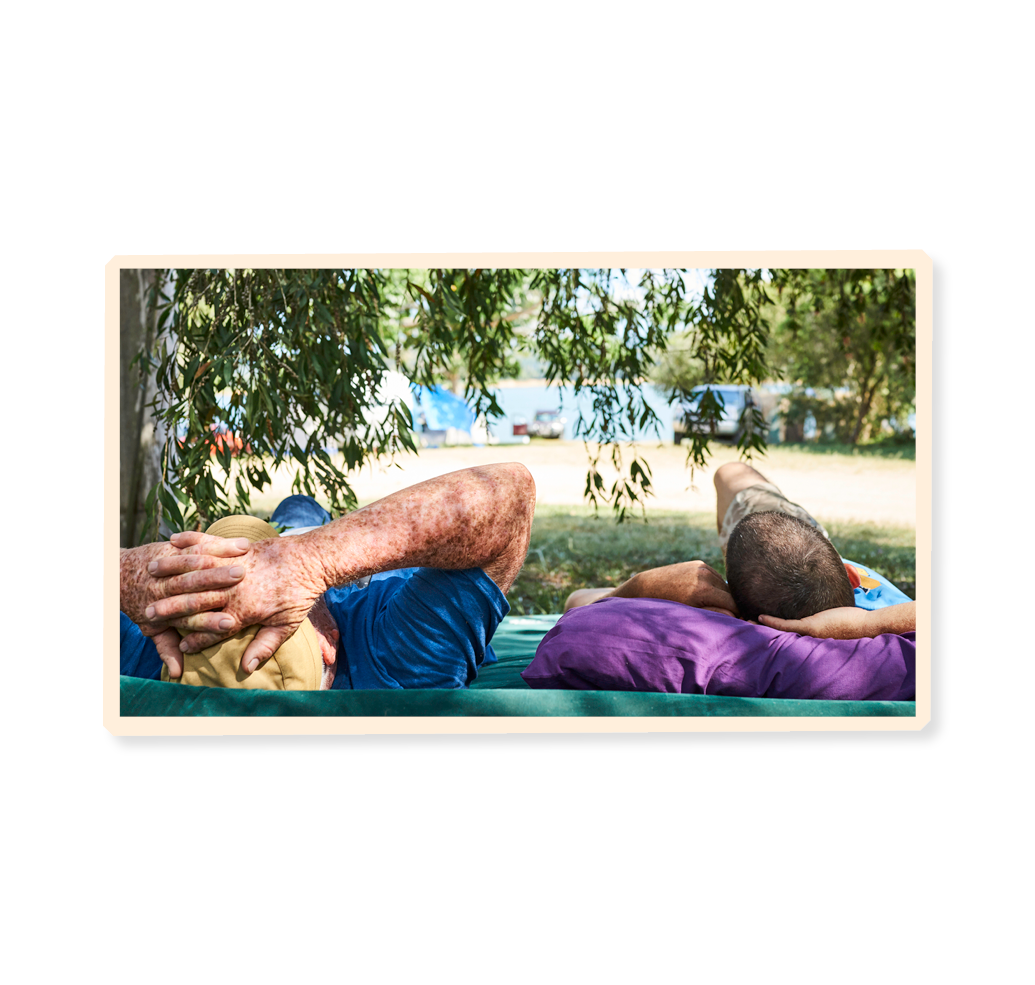
Sunlight beaming through shady trees

If a heatwave is occurring, follow these steps:
- Stay hydrated and drink water regularly, not just when you feel thirsty
- Use your aircon (if you don’t have one at home, places like shopping centres and libraries are a great option).
- Stay in the shade when you’re outside
- Wear a hat and sunscreen, be sun smart (slip, slop, slap, seek, slide)2
- Try to avoid exercise at the hottest part of the day
- Check in with friends or family who might struggle with heat because of health reasons
- Prepare an emergency plan for your house and/or your holiday destination. Check out these great videos on how to make an emergency plan and kit.
- Ask your doctor if any medications you take might impact your body in hot weather
- Learn how to identify and treat heat stress
- Wear loose clothes
Rentals can be painful at the best of times, but when heatwaves occur we are certainly reminded of the lack of air conditioning. Some tips on staying cool:
- Close blinds and curtains early in the morning.
- Save power and money by choosing one room to keep cold (use a fan or aircon and keep the blinds and doors closed).
- Create an emergency plan and kit. If you have house mates, make sure to check in about buying groceries and other essential items.
- Plan cool meals so you don’t have to cook in the heat (salads, wraps, sushi, rice paper rolls).
- Plan ahead so you don’t need to go to the supermarket in the heat of the day.
- Check in on your neighbours.
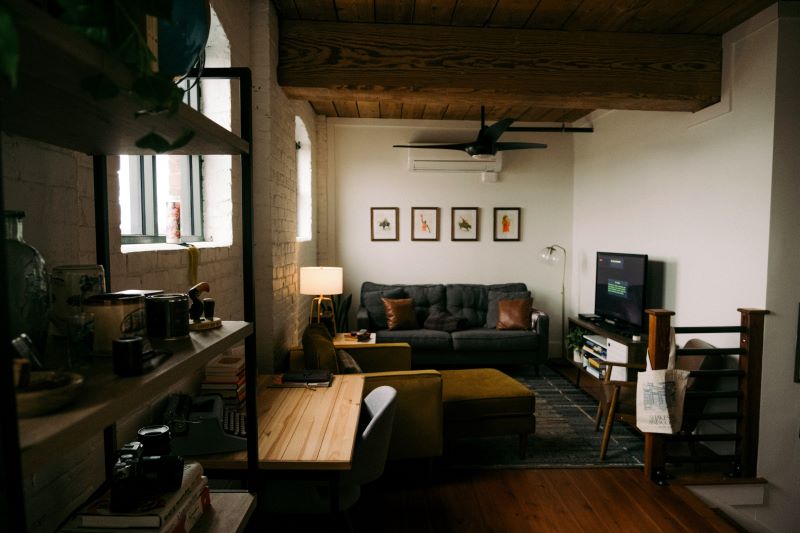
A dimly lit living room, with the ceiling fan spinning.
Our beautiful pets and wildlife feel the heat too. Some suggestions:
- Set up a bird bath outside for local wildlife (put in a stick or a rock so thirsty bugs don’t get stuck in the water)
- Ensure pets have water and shade
- Avoid walking a dog in weather over 30° because roads and footpaths will be hot enough to burn their feet. A good test to know if it's too hot - if you can't put your hand on the ground safely for 5 seconds, it's too hot for your pet!
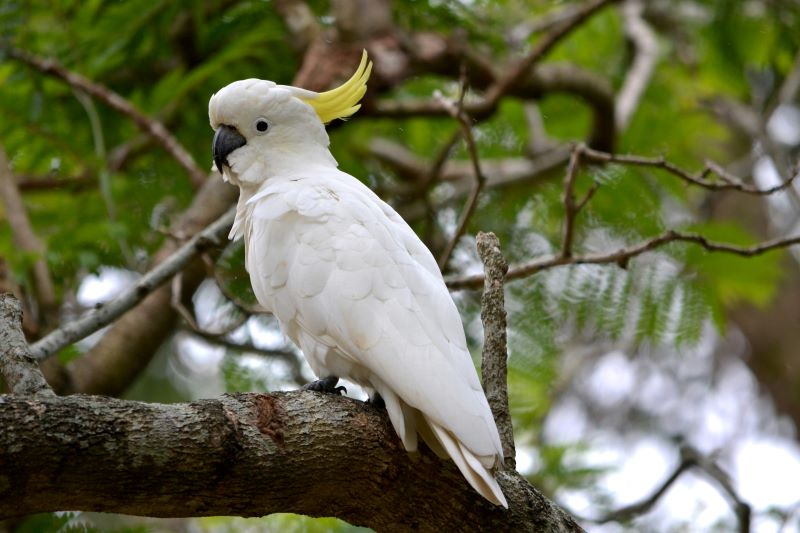
A cockatoo sitting on a tree branch.
- Vic Emergency Hotline: 1800 226 226
- Wildlife Welfare: 136 186
- Life threatening emergencies: 000
Download the Vic Emergency and Australian Red Cross RediPlan apps
- Australian Climate Service. Heatwaves. Australian Climate Service. N.d. Accessed June 5, 2024. https://www.acs.gov.au/pages/heatwaves
- Cancer Council. Be SunSmart. N.d. Accessed June 5, 2024. https://www.cancer.org.au/cancer-information/causes-and-prevention/sun-safety/be-sunsmart