There are a range of different jobs in the youth sector.
Some have been around for a long time, making up a large part of the sector even if not yet defined as ‘youth work’, and others are new and emerging, such as lived experience and peer work.
Let’s break down the definitions of these concepts, key roles and their differences.
Australian Youth Affairs Coalition (AYAC), defines youth work as:
"A practice that places young people and their interests first. Youth work is a relational practice, where the youth worker operates alongside the young person in their context.
Youth work is an empowering practice that advocates for and facilitates a young person's independence, participation in society, connectedness and realisation of their rights."
A photo of three girls with their arms around each other.

A young youth worker is a young person working in a professional capacity as a youth worker.
To be a young youth worker, you might have finished studying a youth work qualification and are practicing in the sector for the first time. Or you could be a young person with lots of experience either volunteering or working with young people, who is now working in a professional role.
We separate young youth workers into their own category because there is a unique set of ethical dilemmas and professional challenges that young youth workers face. Young youth workers are within the age bracket of people they may be working with and may need support understanding professional practice and boundaries.
A photo of a youth worker presenting.

Lived experience refers to the unique knowledge, abilities and attributes a person develops throughout their life, from facing a specific challenge, or by being part of a certain community or identity group.1,2
You might have lived experience based on how a family member or friend’s life has impacted you. For example, as a carer of a family member with a mental illness.3
For example, the contribution of lived experience is well established in the mental health, homelessness, and addiction sectors. Someone who has experienced homelessness or substance addiction will have unique insights into the needs of people who are experiencing those issues and how services could be adapted to support them.2
- Lived experience in these areas, or related services, gives someone a deeper understanding of the support someone might need and the system they’re using, as opposed to those without the experience.2
- Those with lived experience are often sought to give expert opinions, share their experiences, and advocate and support others who share that experience.
Check out Mac’s story of using his lived experience to advocate for himself and his communities.
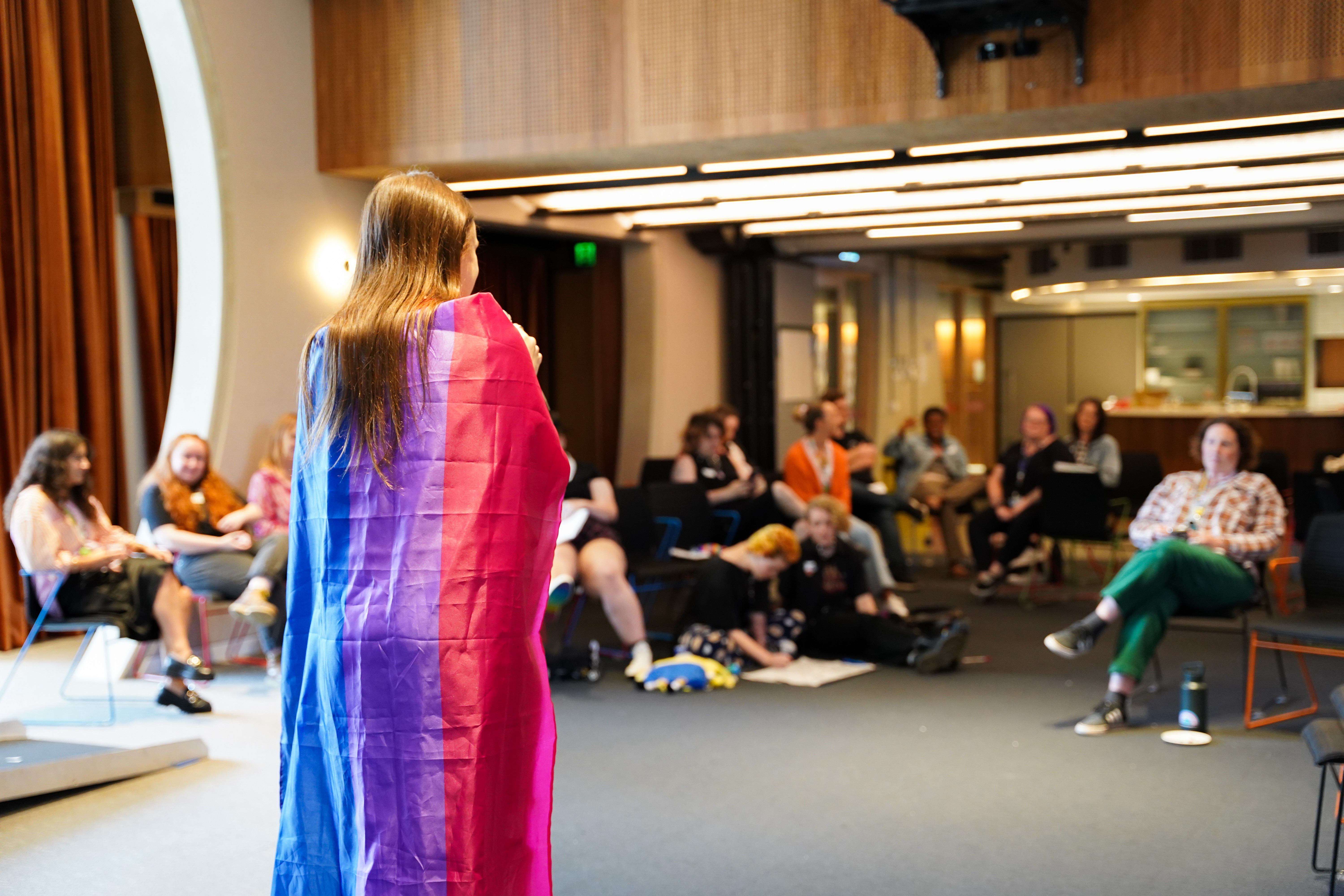
A photo of a person presenting wearing a bisexual flag.
A peer (or peer support) worker refers to someone with lived experience of a certain topic that has the skills to emotionally and socially support others who share that experience.3
A peer support relationship is different from a clinical or traditional youth work relationship. It allows for deeper connections and has minimal power dynamics.4
Due to having similar experiences, peer workers have a unique understanding and empathy for the young people they support, that another youth worker may not have.
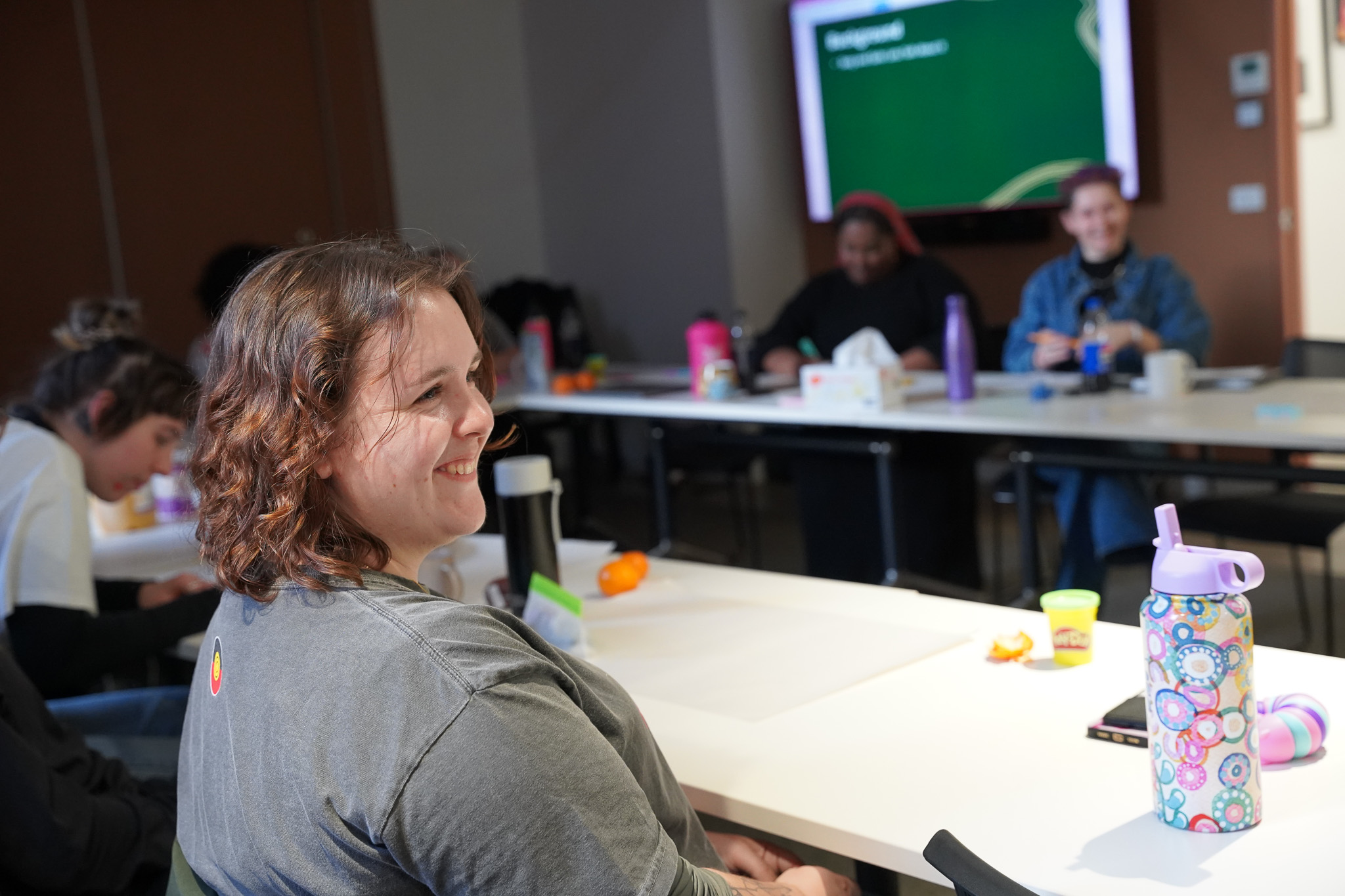
A photo of a person smiling.
Think of 'lived experience' as part of the expertise that peer workers need to effectively do their jobs.
While they are interconnected, they are separate concepts and positions. While all peer work roles require lived experience, not all lived experience workers are peer workers.
Workplaces and organisations can also value and utilise lived experience through co-design, policy making and other advocacy initiatives.
Why are they important?
Peer support and lived experience workers provide unique and invaluable insight and compassion for those with shared experiences. This sense of solidarity can assist in a person’s healing or processing journey.
The Royal Commission into Victoria's Mental Health System (2021) reported that when services are designed and operated by the people that will utilise them or have lived experience in those areas, outcomes and experiences are stronger and more positive.5
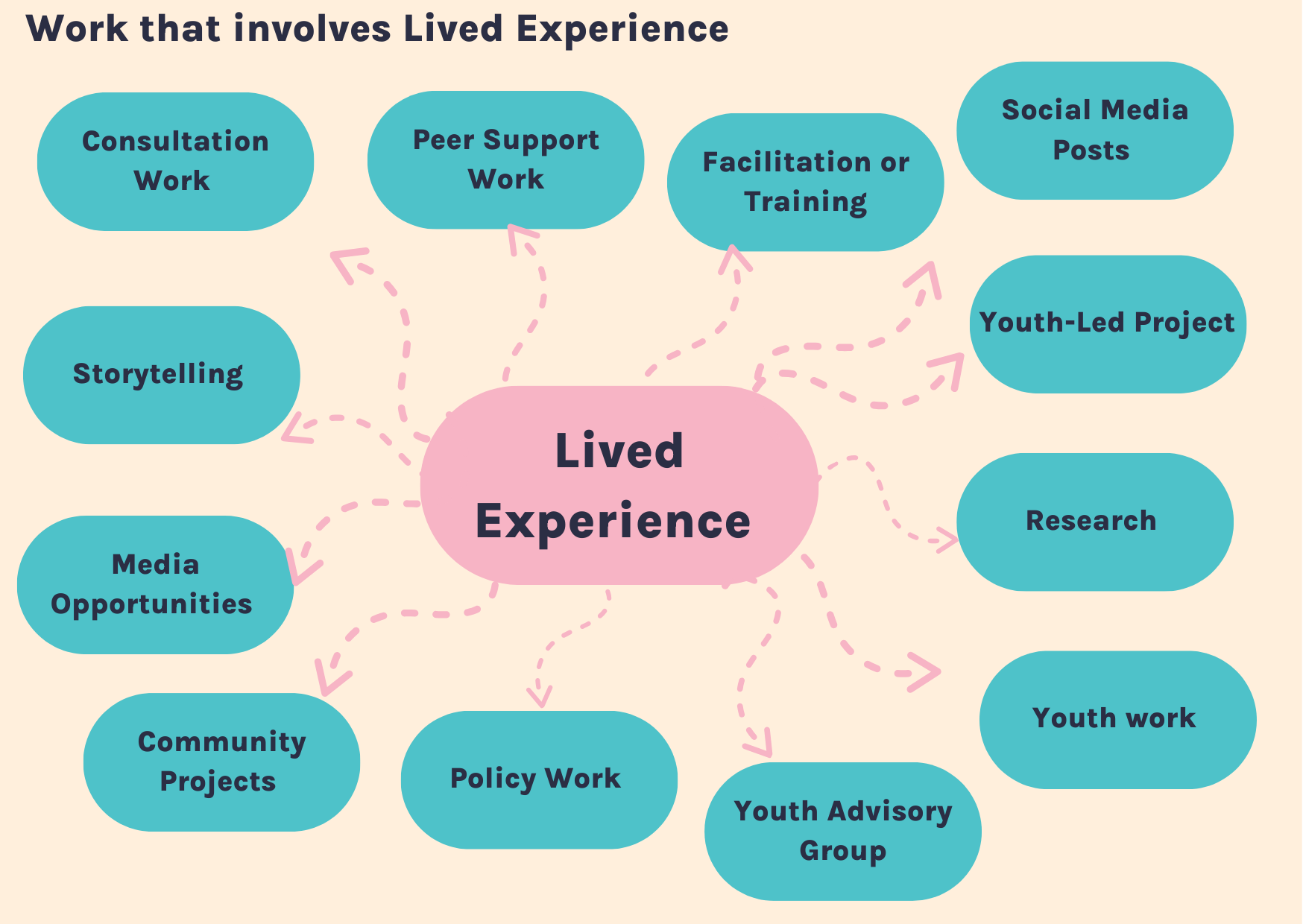
A mind map with a pink bubble in the middle with text that reads: Lived Experience.
There are light blue bubbles around the pink center bubble with text that reads: (starting top left-hand corner and moving clockwise) consultation work, peer support work, facilitation of training, social media posts, youth-led projects, research, youth work, youth advisory group, policy work, community projects, media opportunities, story telling.
- Orygen’sWhat is peer work? Toolkit
- DFFH’s Client voice framework for community services
- DFFH’s Young Voices: Listening to and acting on the voices of children and young people is critical to providing policies, programs and services that are safe, effective, connected and person-centered.
- DoH Mental health lived experience engagement framework
- Safe and Equal’s Experts by Experience Framework
- Mission Australia’s Learning from Lived Experience: A Framework for Client Participation
- Cambridge Dictionary. (n.d). Lived Experience.https://dictionary.cambridge.org/us/dictionary/english/lived-experience
- Department of Health. (18 March 2022). Lived Experience. Victorian Government. https://www.health.vic.gov.au/mental-health-reform/lived-experience
- Mental Health Coalition South Australia. (n.d). Leading Peer Workforce Development. https://mhcsa.org.au/lived-experience-workforce-program/
- Orygen. (n.d). Resources. https://www.orygen.org.au/Training/Resources/Peer-work
- Royal Commission into Victoria’s mental health system. (2 March 2021). Final Report. Volume 1. A new approach to mental health and wellbeing in Victoria. https://content.vic.gov.au/sites/default/files/2024-01/RCVMHS_FinalReport_Vol1_Accessible.pdf